Posts


There once was a day where one someone was speaking about the word green, it was obvious they were referring to a color formed by mixing yellow and blue. That assumption is no longer true; with our society leaning toward a healthier environment and ways we can help save the earth, the term green now takes on a whole new meaning. One way to support an environmentally conscious lifestyle is with green architecture.
'Green Architecture' is a form of environmentally sensitive design and construction. Energy-saving, sustainable development and natural materials are all hallmarks of this form of construction. Green Architecture is also sensitive to the impact of the construction on the environment in the years and decades after the construction is complete. It explores a relationship between architecture and ecology.
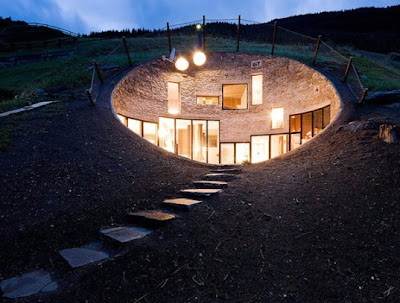
One of the key points to green architecture is to create synchrony with the surrounding environment. Everything about a green building should easily transition from the natural landscape, including the building materials. The best material to use for green construction is materials that have been recycled or come from easily restored resources.
Advantages of Green Architecture:
Materials Commonly Used in Green Architecture
1. Recycled materials such as wood, tiles and bricks that are available at the building site or in/near the surrounding area.
2. Where new materials are used, the focus is on material that can be rapidly replenished, such as bamboo, which can be harvested for commercial use in just 6 years.
3. Insulation made from low volatile organic compounds that use materials such as recycled denim as opposed to fiberglass insulation - which has long-term adverse effects. Insulation may be treated with boric acid to retard insect damage. Organic or milk-based paints also afford protection.
4. Solar energy is an abundant resource that is used through passive solar, active solar and photovoltaic techniques.
5. Packed gravel in parking lots and driveways instead of concrete reduces rainwater run-off and replenishes ground water resources.
Many countries have developed their own standards of Green Architecture for energy-efficient and sustainable building. Given below are some common standards:
1. Code for Sustainable Homes - United Kingdom
2. EnerGuide for New Houses - Canada
3. House Energy Rating - Australia
4. Green Globes - USA, Canada and UK
Practitioners of Green Architecture and sustainable development seek to achieve ecological and aesthetic harmony between structures and their surrounding natural environments.
'Green Architecture' is a form of environmentally sensitive design and construction. Energy-saving, sustainable development and natural materials are all hallmarks of this form of construction. Green Architecture is also sensitive to the impact of the construction on the environment in the years and decades after the construction is complete. It explores a relationship between architecture and ecology.
One of the key points to green architecture is to create synchrony with the surrounding environment. Everything about a green building should easily transition from the natural landscape, including the building materials. The best material to use for green construction is materials that have been recycled or come from easily restored resources.
Advantages of Green Architecture:
- Optimizes the use of resources, especially energy and water. At the design and construction stage, it incorporates resource recycling during construction, and later when the building is being used.
- It causes minimal impact on the environment during the entire building life cycle of siting, design, construction, operation, maintenance and removal.
- Where possible, the natural topography is used to optimize energy usage.
- It leads to reduced operating costs by optimizing resource usage. Green Architecture focuses on recycling resources - especially water. Wherever possible, it focuses on using building materials from the building site itself. Well-insulated doors, windows and walls reduce energy usage and loss.
- Green Architecture promotes improved health of the occupants of the building, due to better natural air circulation and use of natural light.
- Provides onsite facilities for recycling, thereby minimizing waste being sent to landfills.
Materials Commonly Used in Green Architecture
1. Recycled materials such as wood, tiles and bricks that are available at the building site or in/near the surrounding area.
2. Where new materials are used, the focus is on material that can be rapidly replenished, such as bamboo, which can be harvested for commercial use in just 6 years.
3. Insulation made from low volatile organic compounds that use materials such as recycled denim as opposed to fiberglass insulation - which has long-term adverse effects. Insulation may be treated with boric acid to retard insect damage. Organic or milk-based paints also afford protection.
4. Solar energy is an abundant resource that is used through passive solar, active solar and photovoltaic techniques.
5. Packed gravel in parking lots and driveways instead of concrete reduces rainwater run-off and replenishes ground water resources.
Many countries have developed their own standards of Green Architecture for energy-efficient and sustainable building. Given below are some common standards:
1. Code for Sustainable Homes - United Kingdom
2. EnerGuide for New Houses - Canada
3. House Energy Rating - Australia
4. Green Globes - USA, Canada and UK
Practitioners of Green Architecture and sustainable development seek to achieve ecological and aesthetic harmony between structures and their surrounding natural environments.